GenomeMiner
BIOINFORMATICS WORKSPACES FOR GENOMIC R&D

Move genomic data into research decisions.

GenomeMiner gives microbial and genomic discovery teams one place to organize research data, run managed bioinformatics pipelines, follow analysis progress, and review results with collaborators.

Request pilot access Explore pipeline coverage
Free pilot access and project-based pipeline credits available.
Strain Discovery
Research workspace · 12 genomes
RESEARCH DATA
isolate_04.fastq
2.4 GB · tagged
reference.gbk
annotated
ACTIVE ANALYSIS
Flye Assembly
running · step 3 of 5
live
OUTPUTS
Prokka
annotation.gff
BUSCO
98.1% complete
Selected partners
Keep the research connected

Your science should not disappear into files, scripts, and handoffs.

Genomic research becomes difficult to follow when data lives in storage, analysis runs somewhere else, and results are shared through disconnected folders and messages. The analysis may be complete, but its inputs, history, outputs, and decisions quickly lose their context.

Fragmented research
Research files Analysis scripts Compute environment Run status Output folders Collaborator updates
GenomeMiner Workspace
Collaborators
Datastore
Pipeline run
Result
Output files
Logs
Analysis
Workspace activity · team notified when results are ready

Know what happened

Preserve the inputs, execution details, logs, status, and outputs behind each analysis.

Keep data and results connected

Manage research files and analysis outputs in the workspace where the project is being conducted.

Move work across the team

Give scientists, computational specialists, collaborators, and clients appropriate visibility into the same research program.

GenomeMiner creates a shared operational layer around genomic analysis so the work is easier to run, review, and continue.

One connected research loop

From research data to reviewable outputs.

GenomeMiner connects the practical stages around genomic analysis, keeping the data, execution history, and results available within the same research workspace.

Select a stage to update the preview
app.genomeminer.ai · Strain Discovery
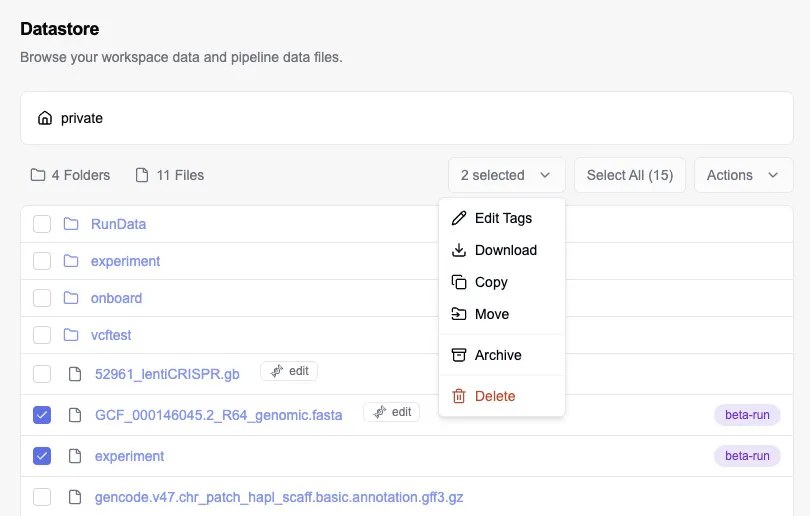
GenomeMiner Datastore showing folders, research files, selected items, and the Actions menu
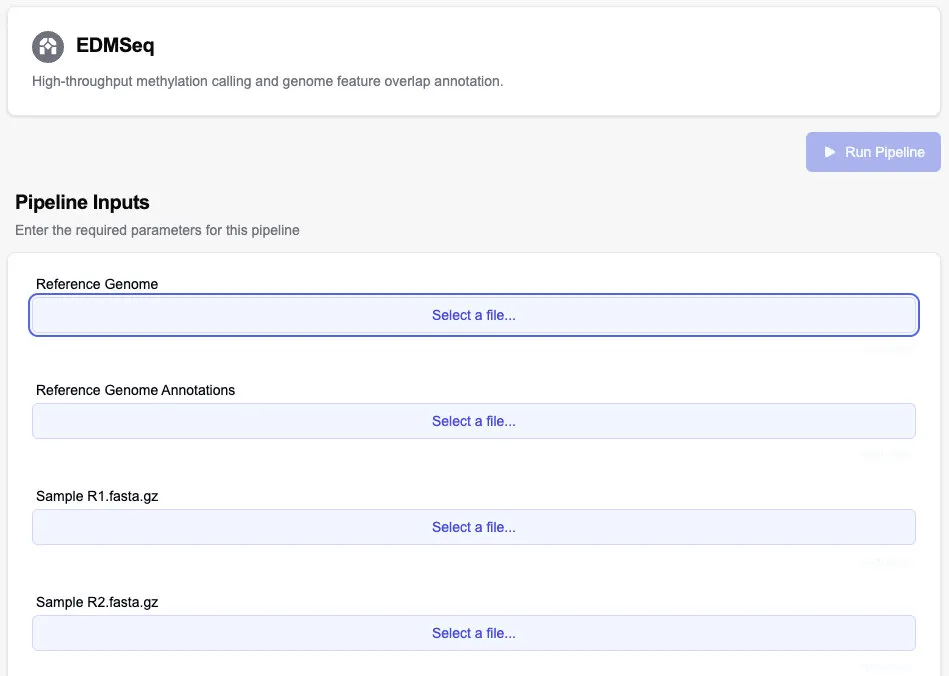
EDMSeq pipeline configuration showing required reference genome, annotation, and sample file inputs
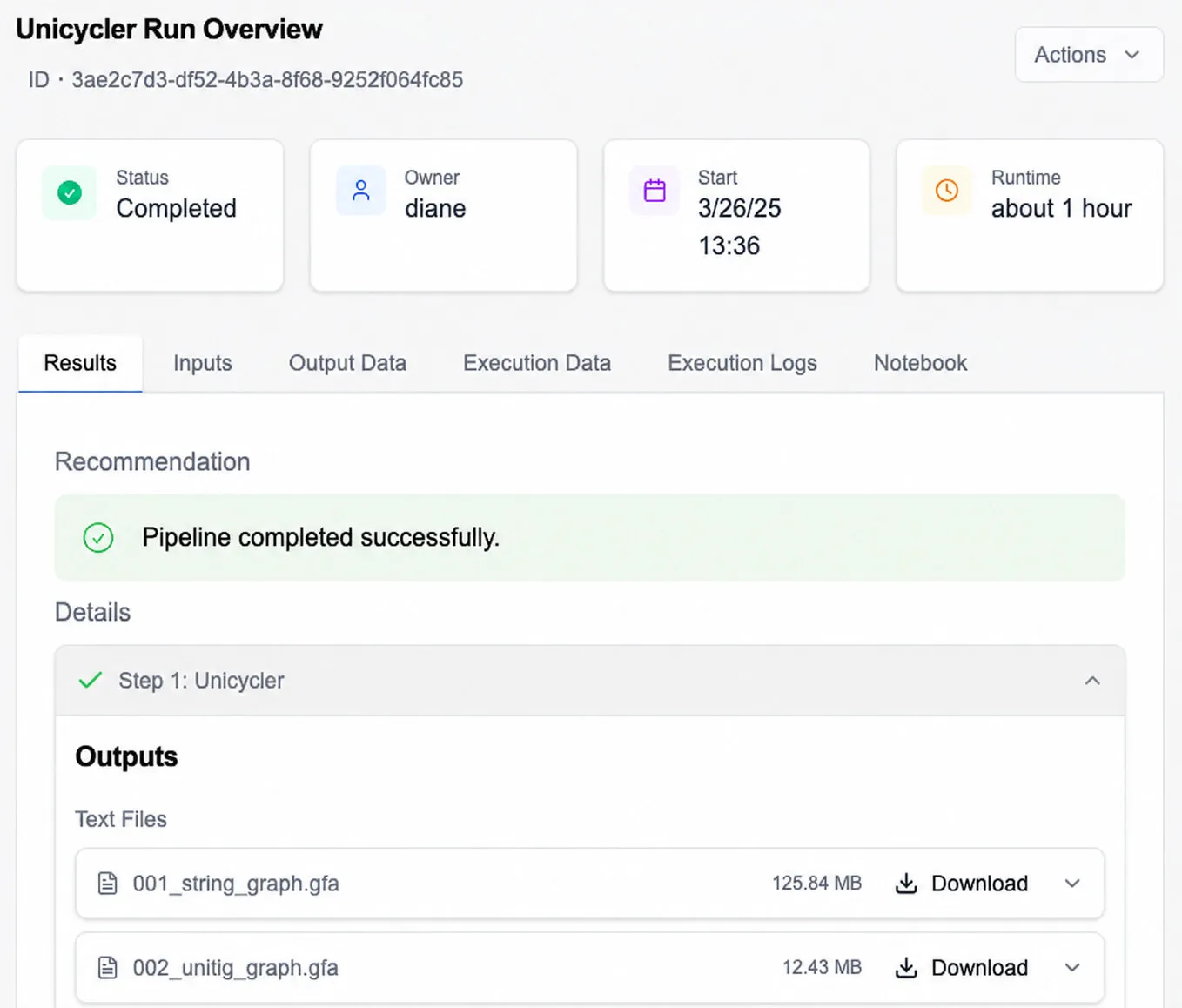
Completed Unicycler pipeline run overview showing status, runtime, results, and downloadable output files
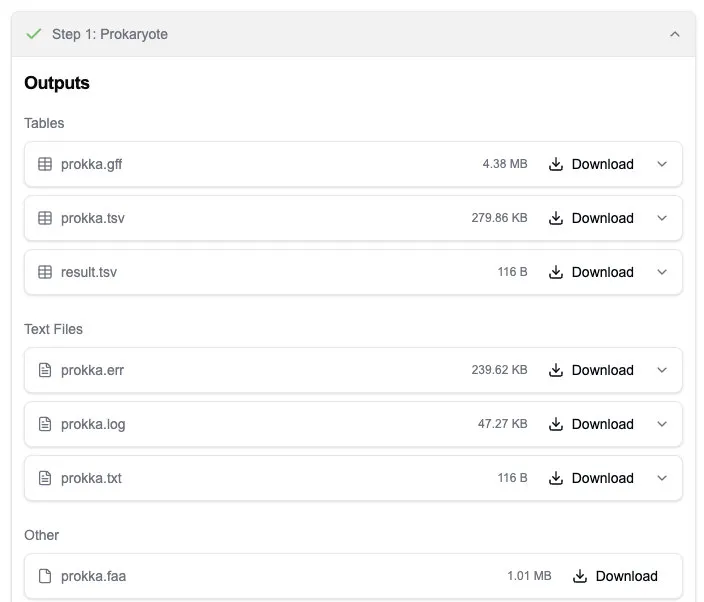
Completed Prokaryote pipeline step showing downloadable table, text, and sequence output files

Every stage remains connected to the workspace, the initiating researcher, and the history of the project.

Pipeline coverage

Support for the work between sequencing data and biological insight.

GenomeMiner provides runnable pipelines across core genomic research tasks, from preparing sequencing data to assembling, annotating, comparing, and characterizing genomes.

Illumina Read Processing Nanopore Read Processing Dorado Basecaller Dorado Aligner Minimap2 NanoPlot
Canu Flye Hifiasm Hybrid Assemble Unicycler BUSCO Merqury
Prokka MiGA Taxonomy MetaPhlAn 4 BGC Identification AMRFinderPlus PlasmidFinder geNomad
Nanopore Variant Calling VCF Sample Diff Plotsr GSEApyEnricher RNA Aging ElasticNet SoilMicrobiomeDroughtML
Discuss your pipeline needs
One workspace, appropriate visibility

Keep scientists, computational specialists, and external partners aligned.

Research programs involve people with different responsibilities. GenomeMiner lets teams organize their work in shared workspaces while controlling who can manage the project, contribute to it, or review its results.

Owners and editors

Manage the workspace, organize data, configure pipelines, and guide the research program.
Manage & run

Collaborators

Work with shared project data, follow activity, and contribute to the research process.
Contribute & review

Clients and external partners

Access a restricted, results-oriented view of the relevant workspace.
Follow results

Workspace activity, runs, members, research files, and resource use give project leads a clear view of the program.

Fit the platform to the program

Start with the core workspace. Extend it when the research requires more.

GenomeMiner's core experience connects research data, managed pipelines, run history, outputs, and collaboration. Specialist capabilities can be enabled based on the needs of the workspace or account.

Core platform
Organize research data, configure pipelines, track analyses, review outputs, and collaborate within workspace-scoped projects.
Research data & datastore
Organize files, folders, tags, and archives in a structured workspace datastore.
Managed pipelines
Configure supported analyses with structured inputs, references, and parameters.
Run history & outputs
Track status, inspect logs, and retain outputs with their complete analysis history.
Workspace collaboration
Give teammates and partners appropriate access to project data, activity, and results.
OPTIONAL
Specialist tools
Extend selected workspaces with sequence editing, genome visualization, BLAST search, or cloud notebook environments.
Sequence Editor
Edit DNA/protein sequences, manage annotations, find ORFs, align, and work with GenBank annotations.
Genome Viewer
Explore genome data using FASTA, GFF, and VCF inputs.
BLAST Search
Create workspace databases, run similarity searches, and inspect or download results.
Jupyter Notebooks
Launch workspace-connected notebooks with configurable compute resources.
Pipeline & program support
If your team already has analysis processes, scripts, or deployment requirements, talk with GenomeMiner about pipeline design, migration, and the appropriate program setup.
Pipeline design & migration
Program & account setup
Deployment requirements
Discuss your research program
Example research programs

Three ways teams can apply GenomeMiner.

Program type

Microbial candidate discovery

Agbiotech & industrial biotech R&D
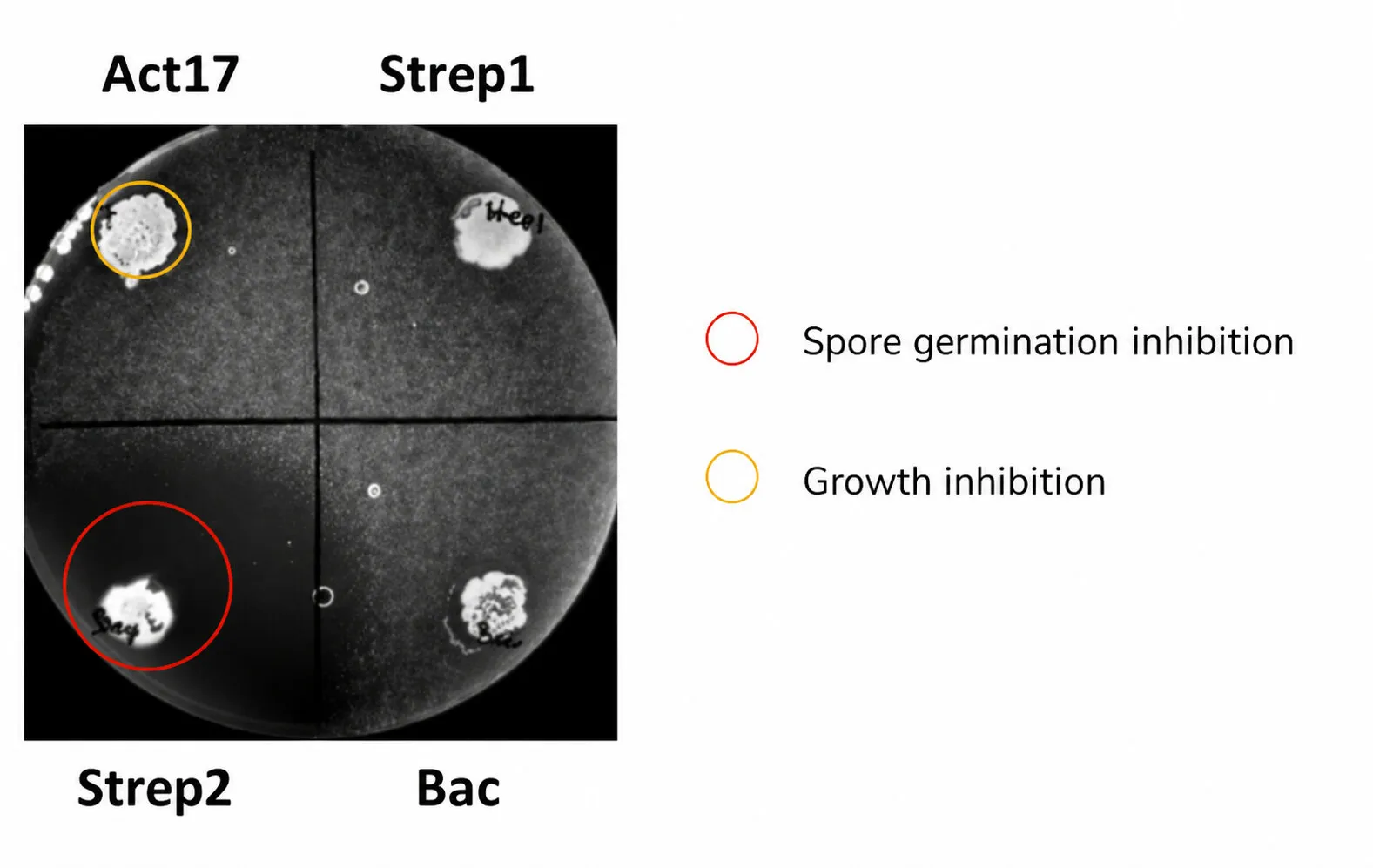
Microbial inhibition screening plate comparing Act17, Strep1, Strep2, and Bac
Microbial inhibition screening plate
Research challenge
A discovery team has promising isolates, but sample metadata, sequencing files, assemblies, and screening notes are split across tools. Comparing the evidence across strains makes it difficult to decide what to test next.
GenomeMiner setup
The team organizes each strain in a shared workspace, processes the reads, evaluates assembled genomes, and runs taxonomic, annotation, and biosynthetic gene cluster pipelines. Structured records connect candidates to their files, runs, and outputs.
Operational result
Researchers can review a traceable evidence package for each strain and prioritize the most promising candidates for wet-lab validation while retaining the full analysis history for collaborators.
Move from a library of isolates to a defensible experimental shortlist.
Free project pilot

Try GenomeMiner with your own research project.

Discuss your project with us and we'll provide free platform access and pipeline credits matched to your data and analysis needs.

1Tell us about your data and research goal.
2We'll identify relevant pipelines and an appropriate credit allocation.
3You'll receive free platform access to evaluate GenomeMiner with your project.
Request free pilot access

Request your free pilot.

Leave your details and we'll contact you to discuss the right setup for your project.

Which best describes your organization?

Access duration and pipeline credits are based on the agreed project scope.